Freelance taxes in Spain: A guide for foreign freelancers
Understand freelance taxes in Spain, including income tax, VAT, deductions and deadlines. See how Wise Business can support eligible international payments.


The exciting dream of moving to Spain can quickly get tangled in a web of bureaucracy and financial requirements. But what if you could navigate the Spanish residency process with total clarity, sidestep common administrative traps, and avoid costly transfer fees along the way?
This guide breaks down the step-by-step process of getting residency in Spain, whether you're a remote worker, want to start a business, or are planning to retire by the sea. We'll cover the updated visa types for 2026, exact document checklists, and how to smartly manage the financial proof so you can focus on the sunshine, not the paperwork.
Depending on your professional status and whether you apply from your home country (for a Visa) or directly within Spain (for a Residence Authorization), your requirements and timelines will vary. To figure out the best choice for your situation, check out our guide on choosing the right Spanish relocation pathway:
| Immigration pathway | Who it is for | Main requirement |
|---|---|---|
| Digital Nomad | Remote workers and freelancers | Tied to the Spanish Minimum Wage (SMI). Currently approx. €34,188/year for the main applicant |
| Non-Lucrative | People living off savings or passive income | €30,000 in savings or enough passive income to support yourself in Spain1 |
| Entrepreneur | Founders starting a business in Spain | An innovative business idea backed by a government-approved business plan |
| Standard Work | People moving to Spain for a job | A job offer from a Spanish employer, usually for a role that’s difficult to fill locally |
Each option provides a different way to live in Spain, depending on your job and financial status. It's crucial to think about which option fits your long-term plans. To compare them and figure out the best choice for you, check out our guide on choosing the right Spanish visa.
Now that you have an overview of the main visa types, let's explore what it takes to qualify for each one. The documents and financial thresholds will vary depending on your choice.
This visa has quickly become a favorite for remote workers who want to make Spain their home base. Here is what you generally need to qualify:
A major advantage of this visa is the potential to access a special tax regime, which can lower your income tax rate. Note that specific conditions apply to qualify for this benefit.
Fancy living in Spain without the need to work? If you have got the savings to support yourself, the Non-Lucrative Visa (NLV) could be your golden ticket.
Getting the NLV is all about proving you can live in Spain without needing a job. It’s a great option for retirees or anyone with the financial freedom to enjoy the Spanish lifestyle.
If you dream of starting your own business in Spain, the Entrepreneur Visa is for you. This visa is all about your business idea, so you will need a really solid plan to make it happen.
Think of it as your “Shark Tank” pitch to the Spanish government. Your business plan needs to be convincing and show that it is a serious project that will benefit Spain. This visa is perfect for ambitious individuals ready to make their mark on the Spanish business scene.
This is the classic route for anyone outside the EU who has landed a job offer from a Spanish company, but it's largely driven by the employer4. Here's what is involved:
Because of the requirement to prioritize local and EU talent, this visa is often granted for positions on Spain's official “shortage occupation list” (Catálogo de Ocupaciones de Difícil Cobertura) or for roles that require high-level expertise which is not easy to find locally.
| 💸 Read more: The best way to send money to Spain |
|---|
The application process depends entirely on whether your chosen immigration pathway requires you to start the process from your home country (Route A) or allows you to apply directly from within Spain (Route B). Because these tracks follow completely different administrative pipelines, they cannot be mixed.
This route is mandatory for pathways like the Non-Lucrative Visa and must be completed at the Spanish consulate that has jurisdiction over your place of residence before you move.
This route is available for pathways like the Digital Nomad Visa or the Entrepreneur Visa. It allows you to bypass the home-country consulate entirely and handle everything online while legally in Spain.
While exact requirements vary by pathway, applicants generally must prepare:
Official documents from your home country (like background check or marriage certificate) must have a Hague Apostille and be translated by a sworn translator1.
Once you've prepared all your paperwork, the next step is proving you have enough money to support yourself in Spain. That depends strictly on the visa you're applying for.
| Immigration pathway | Financial requirement |
|---|---|
| Non-Lucrative | You’ll need to show enough savings or passive income to match 400% of Spain’s annual IPREM |
| Digital Nomad | Most applicants need to earn 200% of Spain’s minimum wage (SMI) |
| Entrepreneur | You’ll need to have enough money to support yourself and get your business up and running, along with an approved business plan |
| Standard Work | The financial side of this visa usually depends on your salary, employment contract, and employer sponsorship |
When it comes to showing proof of funds, Spanish authorities prefer clear bank statements in euros. This can be tricky, especially when you're transferring large amounts, like €35,000 required for the NLV. If you use a traditional bank, you might get hit with poor exchange rates and hidden fees, which can drop your total below what you need without you even noticing.
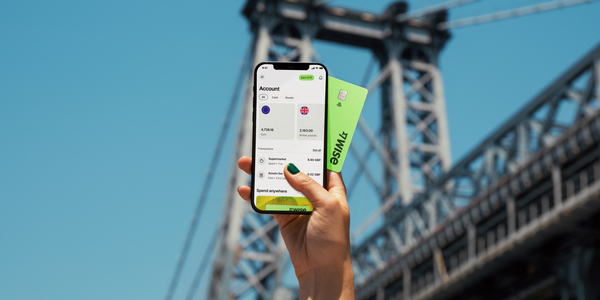
When you're applying for a visa, getting the numbers right is crucial. Even a small financial shortfall can get your application rejected. This is where a service like Wise is a lifesaver. It’s a modern, straightforward way to handle international money transfers, designed to save you from the hidden costs of traditional banks. So, how does Wise help visa applicants?
So, how can Wise help you avoid financial issues during the residency process? Here’s a quick summary:
| Feature | Traditional bank | Wise |
|---|---|---|
| Exchange rate | Marked-up rate | Mid-market rate |
| Hidden fees | Embedded in the poor exchange rate | None |
| Transfer fees | Includes high fixed fees ($25-$50) + intermediary bank charges | A single, low transparent fee |
Preparing for residency in Spain means juggling paperwork, deadlines, and financial planning all at the same time. And when you’re already dealing with visa requirements and moving costs, unexpected exchange fees are the last thing you want to worry about.
With transparent pricing, Wise can help make managing money across currencies feel a little more straightforward during the move.
*Please see terms of use and product availability for your region or visit Wise fees and pricing for the most up to date pricing and fee information.
This publication is provided for general information purposes and does not constitute legal, tax or other professional advice from Wise Payments Limited or its subsidiaries and its affiliates, and it is not intended as a substitute for obtaining advice from a financial advisor or any other professional.
We make no representations, warranties or guarantees, whether expressed or implied, that the content in the publication is accurate, complete or up to date.

Understand freelance taxes in Spain, including income tax, VAT, deductions and deadlines. See how Wise Business can support eligible international payments.

Driving a UK car in Spain? Explore visitor and resident rules, insurance, registration, essential documents and ways to manage GBP and EUR with Wise.

Explore private health insurance costs in Spain, compare cover and visa requirements, and learn how to budget for premiums and extra medical fees.

Explore the cost of living in Spain for students, from rent and food to tuition, plus budgeting tips and ways to manage money with Wise.

Moving to Spain? Learn how to rent an apartment in Spain as a foreigner, navigate paperwork, find deposits, and save on fees with Wise.

How does the Spain wealth tax on assets held abroad affect expats? Learn about allowances, regional rules, and how to manage your global money.