GST Exemption List Singapore: Complete Business Guide for 2025
Complete guide to Singapore's GST exemption list. Learn which supplies are exempt, out-of-scope, or zero-rated and how it affects business compliance.


If you have a Singapore business, you might need team members to manage their own spending on allowable business expenses. This may be for an employee to take a business trip overseas, to buy office supplies or to entertain a client, for example. Expenses can be managed using out-of-pocket spending and reimbursement, or through a company card, which allows controlled employee spending for reconciliation later.
This guide walks through how expense reimbursement usually works in Singapore, including commonly reimbursed claim types, policy management and a look at how a multi-currency business account from Wise Business can help.
| Table of Contents |
|---|


Expense reimbursement simply means repaying an employee or team member for costs incurred on behalf of the business.
Expense reimbursement should be covered by a formal policy to set out what can be reclaimed and how the process works. This also allows the employer to implement appropriate controls and approval flows. Some expense reimbursements may be subject to tax, including income tax and GST.
This can vary depending on the reason for the payment, and so businesses should seek professional advice before setting out expense guidelines for their team.
The expenses you can reclaim or reimburse to employees are bound by company policy, and may be covered by taxation rules.

The types of expenses which are commonly covered by expense policies, and therefore reimbursed, can include:
Some expenses are not usually in scope for expense reimbursement, such as any personal costs, daily commuting, penalties such as speeding fines, and family costs.
The way that the expense reimbursement process works can depend on the business, but the general flow is usually quite similar.
Having a formal expense reimbursement policy in place for your business is good practice and helps to avoid mistakes and misunderstandings. The key steps to develop your expense reimbursement policy can include:
It’s important to understand and comply with local tax rules when managing employee reimbursement. If you have employees or contractors overseas, you may also need to get to grips with the local regulations wherever they’re based, too.
In Singapore, the tax treatment of expenses depends on the nature of the payment and what it relates to. You might need to consider both income tax treatment¹ and application of GST² for reimbursements of certain expenses.

Generally, genuine business expenses, such as payments for travel that’s solely related to business requirements, may be exempt from income tax. However, some expenses an employer may cover can be taxable, such as lifestyle items which are viewed as an employee benefit.
GST treatment depends on whether a payment is viewed by IRAS as a disbursement or reimbursement. A reimbursement may be subject to GST, while payments considered a disbursement are normally GST exempt. It’s a good idea to get professional advice to ensure you’re fully compliant with Singapore law.
If your Singapore business needs to reimburse employee expenses in foreign currencies, you’ll need appropriate currency management tools. That can help you cut down admin, ensure payments are made to employees in good time, and reduce the overall costs of currency conversion and international transfer processes.
Common things to look out for include:
We’ve mentioned that some businesses offer their employees a company card to manage business spending. This has the advantage that the employee does not need to spend out of pocket, as the funds can then be drawn directly from the business account.

If you’re considering this option, it’s good to know that company cards can usually be issued with customisable controls. This means that business owners can set spending limits, view payments and freeze the card if needed. Some providers also allow the business owner to prevent certain spend categories on a card to ensure adherence to policy.
Once a payment has been made using a company card, the employee can still submit a receipt to back up the expense, often using electronic reconciliation methods. This reduces paperwork while still allowing a business owner to remain fully in control of the expense process.
Managing employee expense reimbursements across foreign currencies can quickly complicate company accounting for Singapore businesses. Out-of-pocket costs incurred during overseas business trips often mean dealing with fluctuating exchange rates, hidden bank conversion charges, and delays when repaying team members.
Wise Business helps solve these multi-currency expense challenges by providing business debit and expense cards with customisable spending controls.
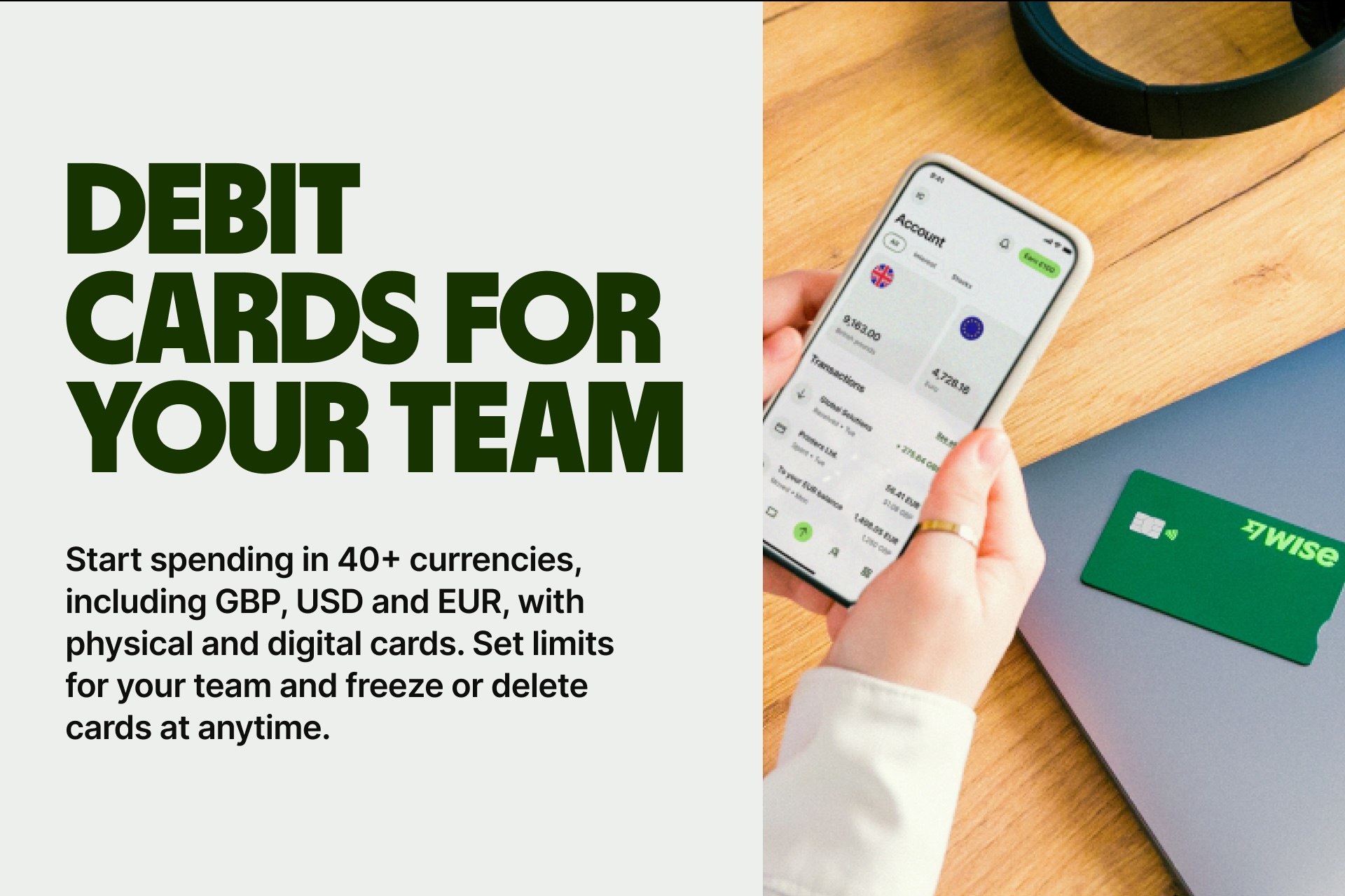
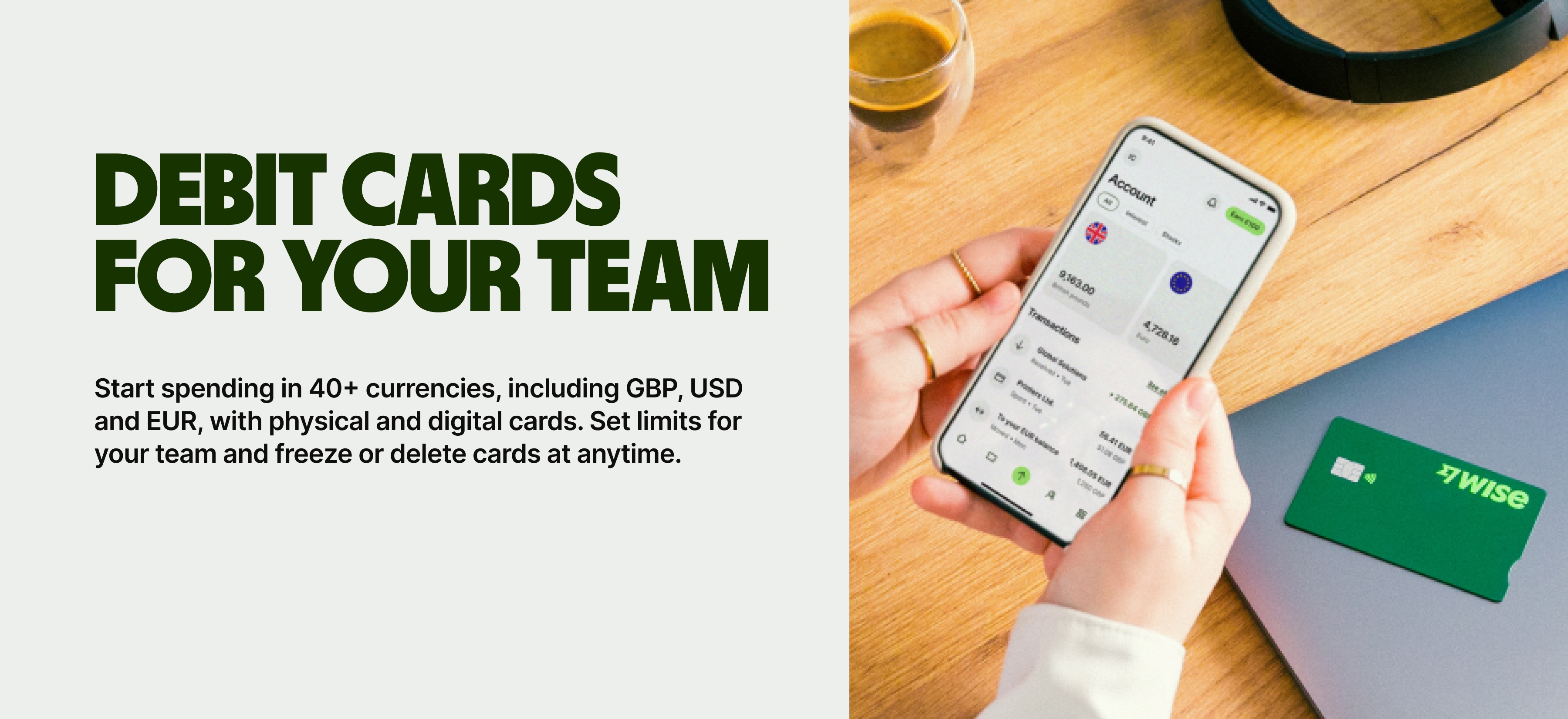
💡Ready to simplify your team's business spending? Give them their own Wise Business Cards and connect them to your Wise Business account. No more using personal cards for business expenditure. No more manually reconciling personal card reimbursements. Wise Business lets you monitor and approve card payments instantly.
Here's what you get with Wise Business:
➡️Get your Wise Business Card today
1. Are employee expense reimbursements taxable in Singapore?
Tax treatment of employee expenses can vary depending on the reason for the payment. Some expenses may attract GST while others may need to be assessed for income taxes.
2. How long should a company take to reimburse an employee?
Repaying company employee expenses quickly can improve morale and retention. It’s a good idea to have a formal expense policy in place that governs how quickly expense claims must be submitted, and the timescales employees can expect for reimbursement.
3. Is a company card better than reimbursement?
Using a company card with spending controls means that employees do not need to pay out of pocket for genuine business expenses. Low-cost business account services from companies like Wise Business can help, with employee expense cards that support spending limits and central oversight.
*Please see terms of use and product availability for your region or visit Wise fees and pricing for the most up to date pricing and fee information.
This publication is provided for general information purposes and does not constitute legal, tax or other professional advice from Wise Payments Limited or its subsidiaries and its affiliates, and it is not intended as a substitute for obtaining advice from a financial advisor or any other professional.
We make no representations, warranties or guarantees, whether expressed or implied, that the content in the publication is accurate, complete or up to date.
Complete guide to Singapore's GST exemption list. Learn which supplies are exempt, out-of-scope, or zero-rated and how it affects business compliance.

Discover what Zero-Rated GST is, how 0% GST can help your Singapore business save on taxes, how to qualify for it and more.

New to bank reconciliation? Here’s why it is important for your business and a step-by-step guide to ensure accuracy of your financial records.

Compare the top accounting software for small businesses in Singapore. See features, pricing, and how to simplify finances with Wise Business.

Explore whether sole proprietors in Singapore can hire employees or work with independent contractors, as well as business expansion options.

Discover how to calculate your gross and net burn rates, what makes a good burn rate and how to use it to improve your business.